Salisbury Chimney Masonry for Direct Oceanfront Conditions
How Ocean Proximity Impacts Salisbury Chimneys
Properties in Salisbury face some of the most aggressive chimney conditions on the entire North Shore because so many homes sit within direct reach of ocean wind, salt spray, and storm-driven rain that contacts masonry surfaces with minimal buffering. Beach-area chimneys absorb salt-laden moisture with every weather event, and that salt works its way deep into mortar joints where it crystallizes, expands, and fractures the bond between brick and mortar from within over repeated wet-dry and freeze-thaw cycles. Homes closer to the water often have chimneys that deteriorate two to three times faster than comparable structures even a few miles inland, where tree cover and building density provide some degree of shelter from direct salt contact. The combination of constant salt exposure, horizontal rain during nor'easters that pushes moisture into joints from every direction, and severe freeze-thaw cycling from November through March creates conditions that test every component of the chimney system simultaneously and relentlessly. Crowns crack under thermal stress, flashing corrodes from salt contact, mortar washes out of joints, and brick faces spall as trapped moisture freezes and expands just below the surface in a cycle of damage that accelerates with each season if left unaddressed. Even well-built chimneys constructed with appropriate materials need proactive attention in Salisbury because the environment is simply harder on masonry than most locations along the coast. Working with materials and methods designed specifically for direct oceanfront conditions is not optional here but fundamental to any work that is expected to last.
Chimney Challenges on Salisbury Beach Properties
Salisbury's housing stock spans a wide range of property types, from seasonal beach cottages and elevated waterfront homes to year-round single-family residences set further inland along quieter residential roads. Each property type presents different chimney masonry considerations that must be evaluated individually. Waterfront homes may have chimneys on elevated structures where wind exposure is extreme from every direction and access for repair requires careful staging and planning. Older cottages that have been converted from seasonal vacation use to year-round primary residences often have chimneys that were originally built for light seasonal loads and now serve full-time heating demands they were never designed to handle continuously. Inland Salisbury homes face somewhat less aggressive salt exposure than beachfront properties but still contend with the regional freeze-thaw conditions and nor'easter weather patterns that define the North Shore climate and drive chimney deterioration across the entire town. Across all property types and locations within Salisbury, chimney masonry must account for moisture management above everything else because water intrusion through failing mortar joints, cracked crowns, or corroded flashing connections causes the vast majority of chimney problems that homeowners encounter over the life of the structure. Materials rated for coastal exposure, proper drainage construction at the crown with adequate slope and overhang, and corrosion-resistant flashing metals that hold up to salt air make the measurable difference between chimney work that performs for decades and work that begins failing within a few short seasons.
Salt-Resistant Tuckpointing for Salisbury Homes
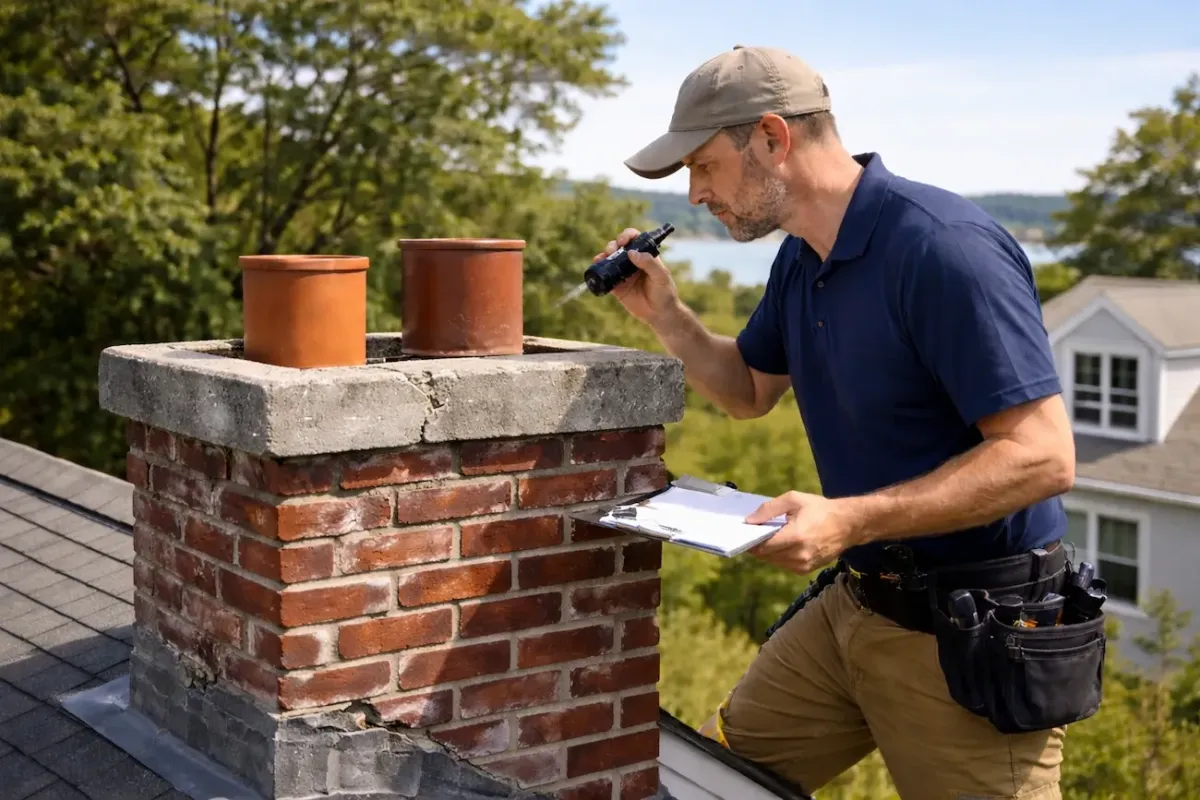
Tuckpointing in Salisbury requires mortar that can withstand constant salt contact without breaking down prematurely the way standard inland formulations do when exposed to oceanfront conditions. Mortar mixes designed for sheltered inland locations simply do not hold up when subjected to the salt concentrations that Salisbury chimneys absorb with every fog event, rainstorm, and salt spray driven by onshore winds. The mortar selection for coastal tuckpointing accounts for both chemical salt resistance and the physical flexibility needed to handle thermal movement through wide seasonal temperature swings without cracking or separating from the brick. Before any mortar is applied, deteriorated material is ground out to proper depth using narrow-blade tools that remove the damaged mortar without chipping the brick faces, ensuring the new mortar bonds fully with clean, solid brick surfaces on both sides of the joint. On beach-area properties where salt penetration is most severe, the assessment also determines whether the brick itself has been compromised by spalling or delamination before recommending tuckpointing as the appropriate repair path. If the brick faces are still structurally intact with sound surfaces, tuckpointing restores the watertight seal and structural integrity of the chimney at a fraction of the cost and disruption of a rebuild. Applied correctly with the right coastal-rated materials and proper joint-packing technique, salt-resistant tuckpointing holds up through years of direct ocean exposure and protects the significant investment homeowners have in their Salisbury properties.
Chimney Rebuilds Engineered for Ocean Exposure
Chimney rebuilds in Salisbury are engineered from the material selection stage through final installation to resist the specific forces that ocean-adjacent properties face continuously. Every material choice, from the brick grade to the mortar type to the flashing metal, accounts for salt air corrosion and aggressive moisture cycling that would destroy standard construction materials within just a few years of ocean exposure. Frost-resistant brick rated for severe weather exposure replaces damaged or deteriorated masonry throughout the rebuilt section. Type S mortar provides the compressive strength needed for above-grade chimney sections while maintaining workability during installation that ensures full joint coverage without voids or gaps. The crown is constructed with reinforced concrete engineered with proper slope for water shedding and a drip edge overhang that prevents runoff from cascading down the brick face below where it would accelerate mortar erosion. Stainless steel flashing replaces corroded galvanized or aluminum material at the roof junction, creating a weathertight seal that resists the salt corrosion responsible for most flashing failures on Salisbury homes within years of installation. Each flue receives a stainless steel cap with mesh screening sized to prevent animal intrusion and debris accumulation while allowing proper draft. Every component is selected and installed with the understanding that this chimney will face decades of direct coastal weather at one of the most exposed locations on the North Shore, and every element of the system needs to perform under those conditions without premature failure or maintenance demands.

Flashing Replacement and Waterproofing
Flashing failure and lack of waterproofing account for the majority of chimney-related water damage inside Salisbury homes, making these two services among the most impactful investments a homeowner can make for chimney longevity. The junction where the chimney passes through the roofline is inherently vulnerable because two different materials with two different thermal movement rates converge at a single transition point that must remain sealed through every temperature swing and weather event. When flashing corrodes from salt exposure, separates from the masonry due to thermal cycling, or develops gaps from settling, water flows directly into the roof structure and wall cavities where it causes rot, mold growth, and structural damage that can go completely undetected for months before visible signs appear inside the home. Replacing failed flashing with corrosion-resistant stainless steel installed using step and counter flashing techniques creates a reliable, long-lasting barrier that accommodates building movement and temperature shifts without opening gaps. Waterproofing the chimney exterior with a vapor-permeable sealant adds essential protection by preventing salt-laden rain from absorbing into the brick faces and mortar joints where it does the most damage during freeze cycles. The sealants used for chimney waterproofing block liquid water from entering the masonry while allowing moisture vapor already trapped inside to escape outward, which is critical because sealing moisture inside masonry with non-breathable coatings actually accelerates deterioration. Together, quality flashing replacement and professional waterproofing form a comprehensive moisture management system that Salisbury chimneys need to survive and perform over the long term.
Comprehensive Chimney Repair Services in Newburyport
Tailored to Your Needs
From routine chimney inspections to full masonry rebuilds, our team handles every aspect of chimney care for Newburyport homeowners. Each service is performed using coastal-rated materials and techniques developed through years of working on North Shore properties exposed to salt air, nor'easters, and harsh freeze-thaw conditions.
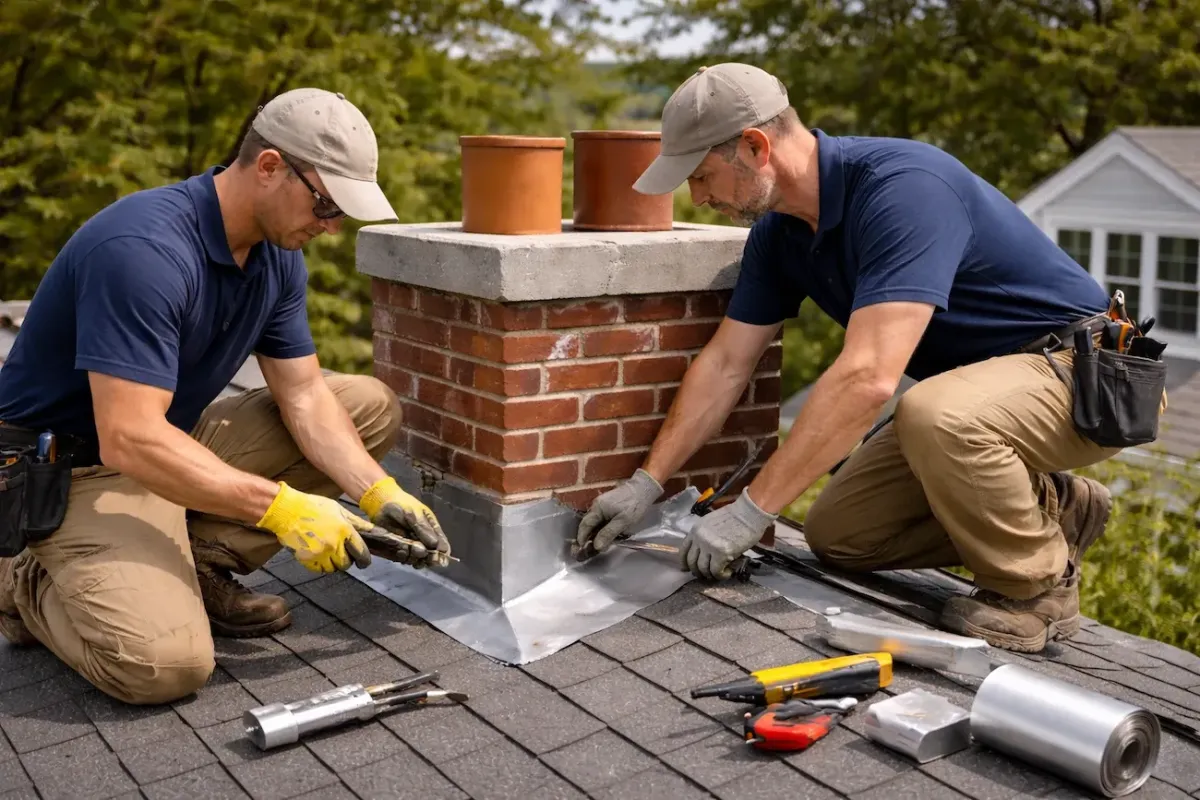
Expert chimney repair for cracked mortar, spalling brick, and storm damage on Newburyport homes.
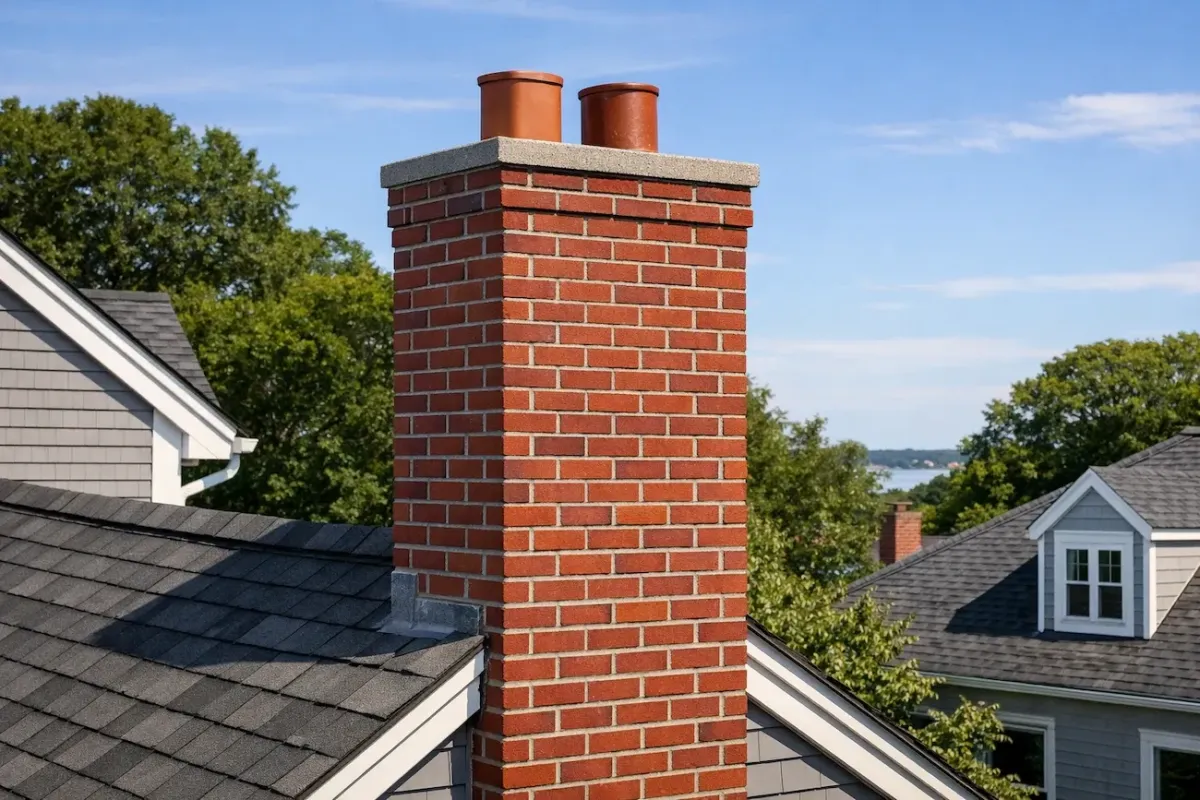
Full and partial chimney rebuilds engineered for Newburyport's coastal conditions.
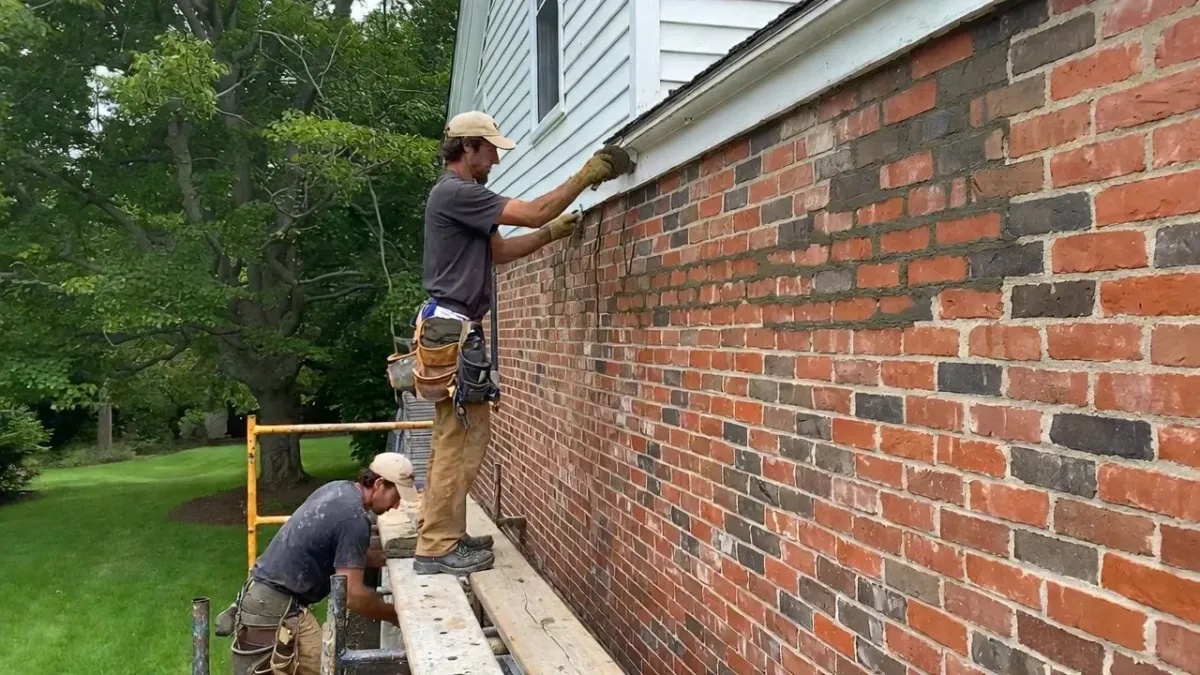
Restore crumbling mortar joints with professional tuckpointing matched to your chimney's original construction.
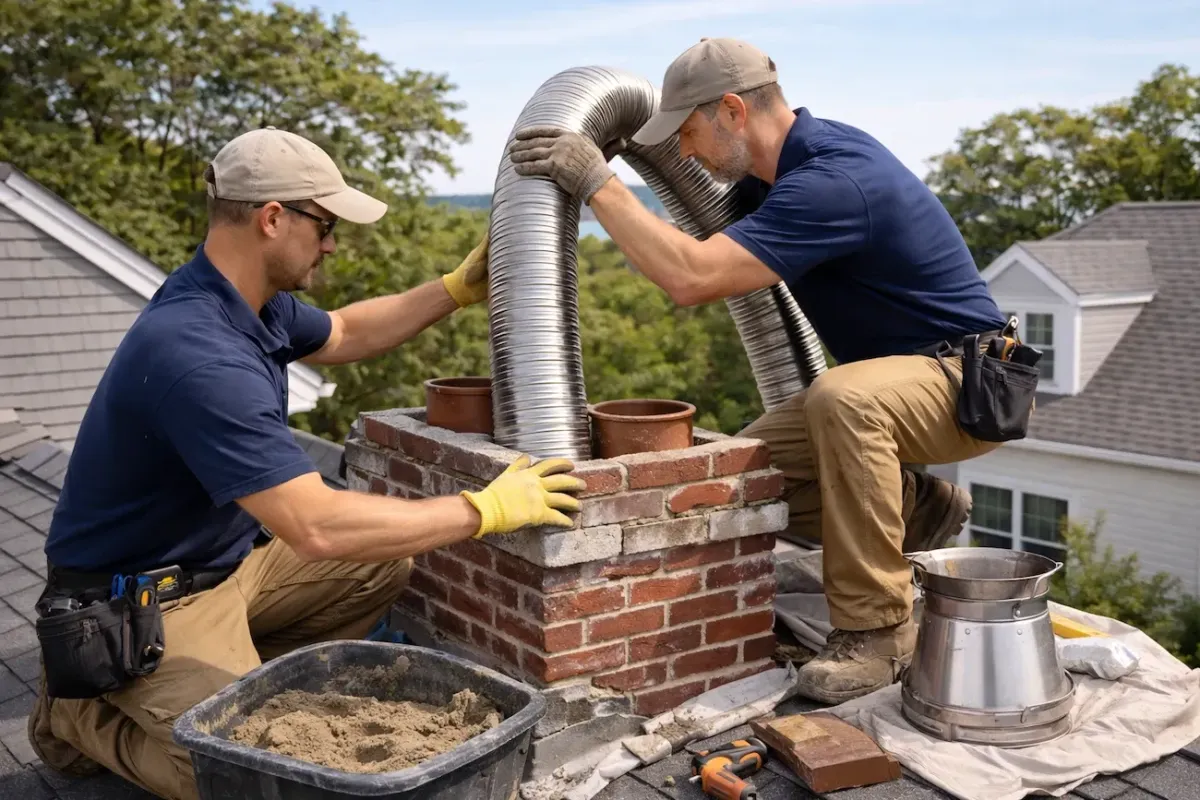
Code-compliant chimney liner installation to protect your home and improve heating efficiency.
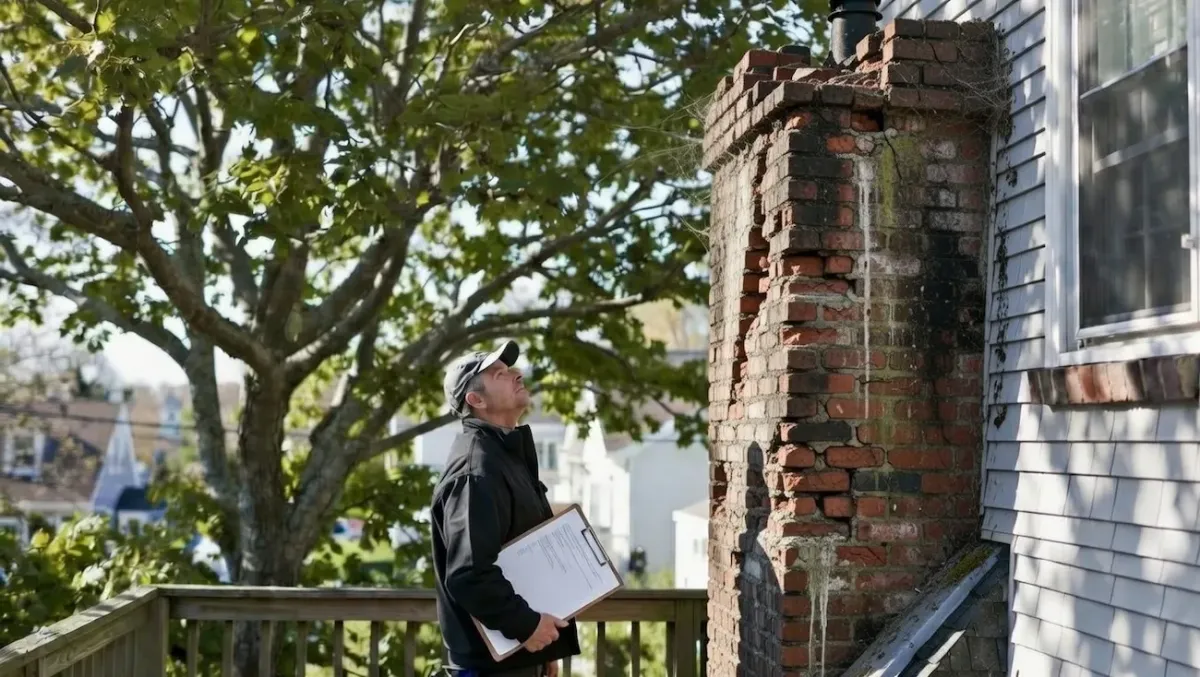
Comprehensive chimney inspections with video scanning for Newburyport homes and real estate transactions.
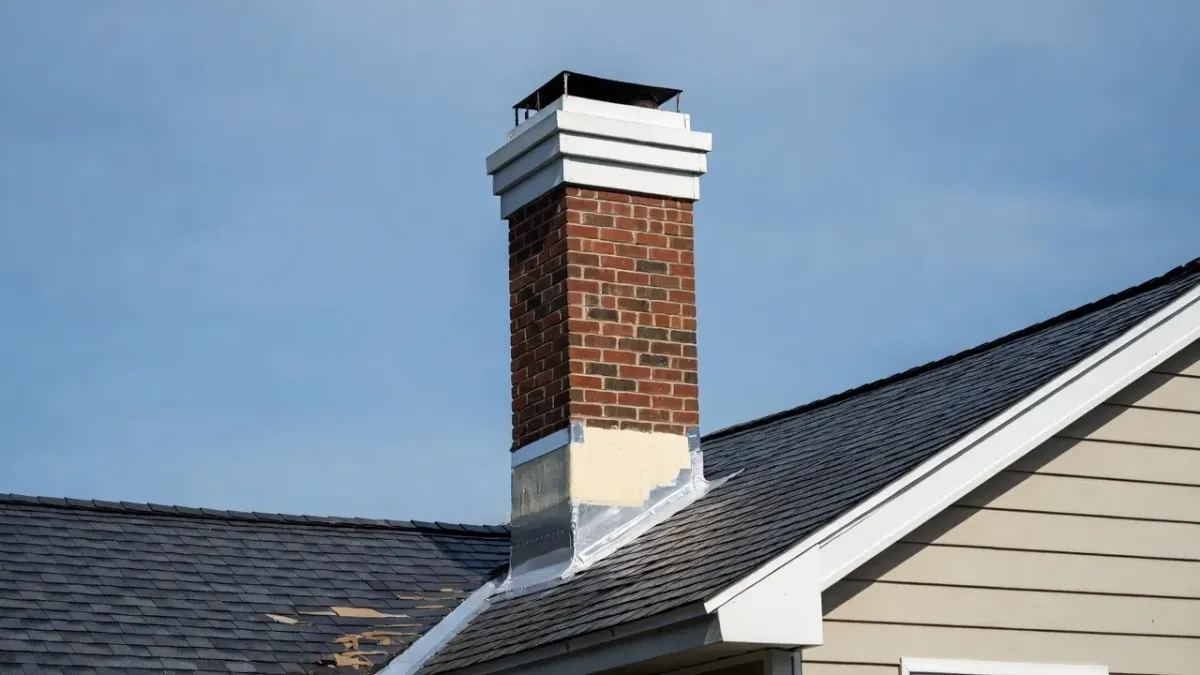
Protect your chimney masonry from coastal moisture with professional vapor-permeable waterproofing.
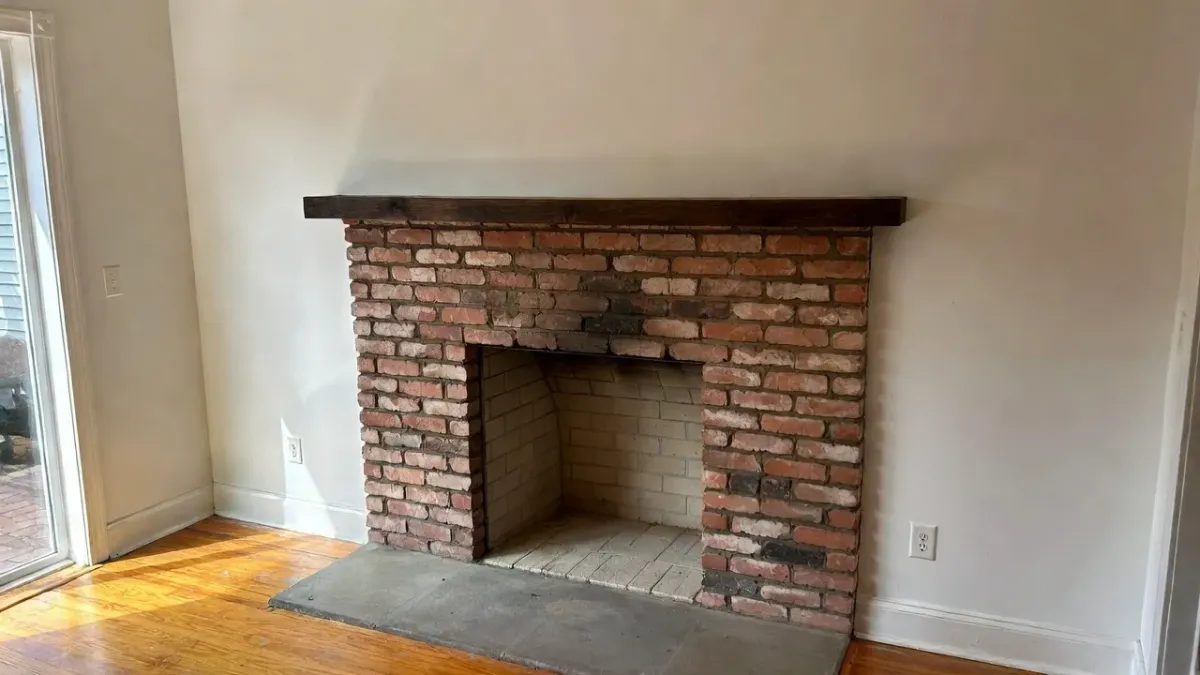
Restore your fireplace to safe operation with expert firebox, damper, and masonry repairs.
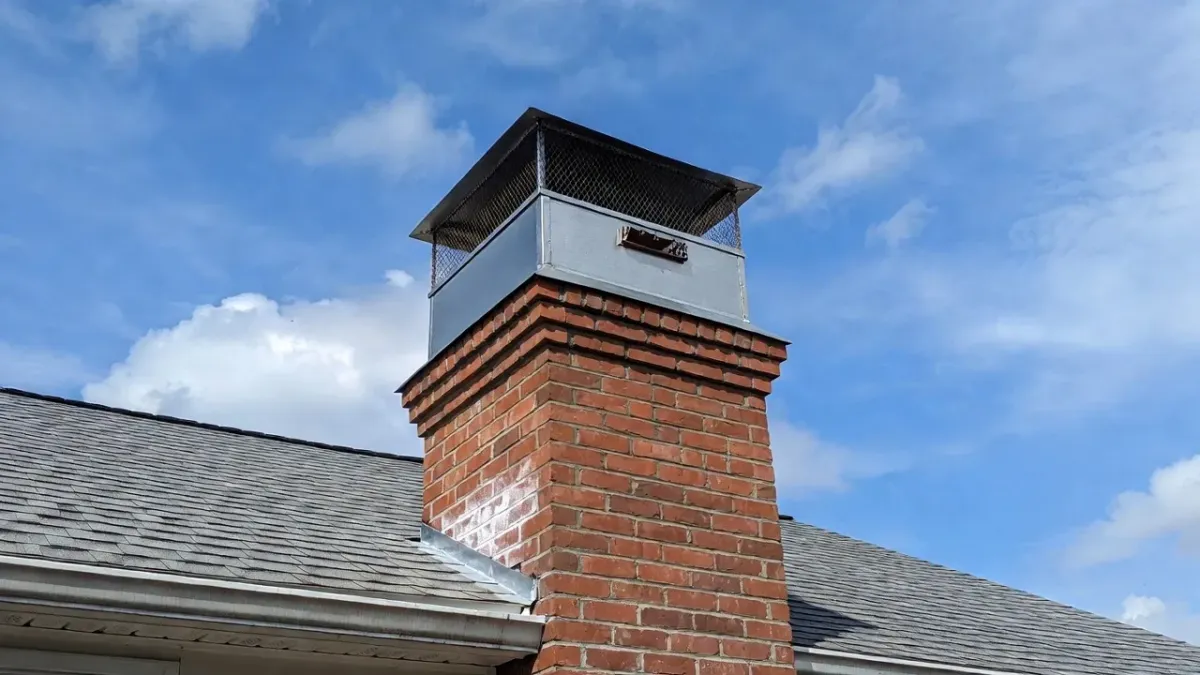
Custom-fitted chimney caps in stainless steel and copper to protect your flue from weather and wildlife.
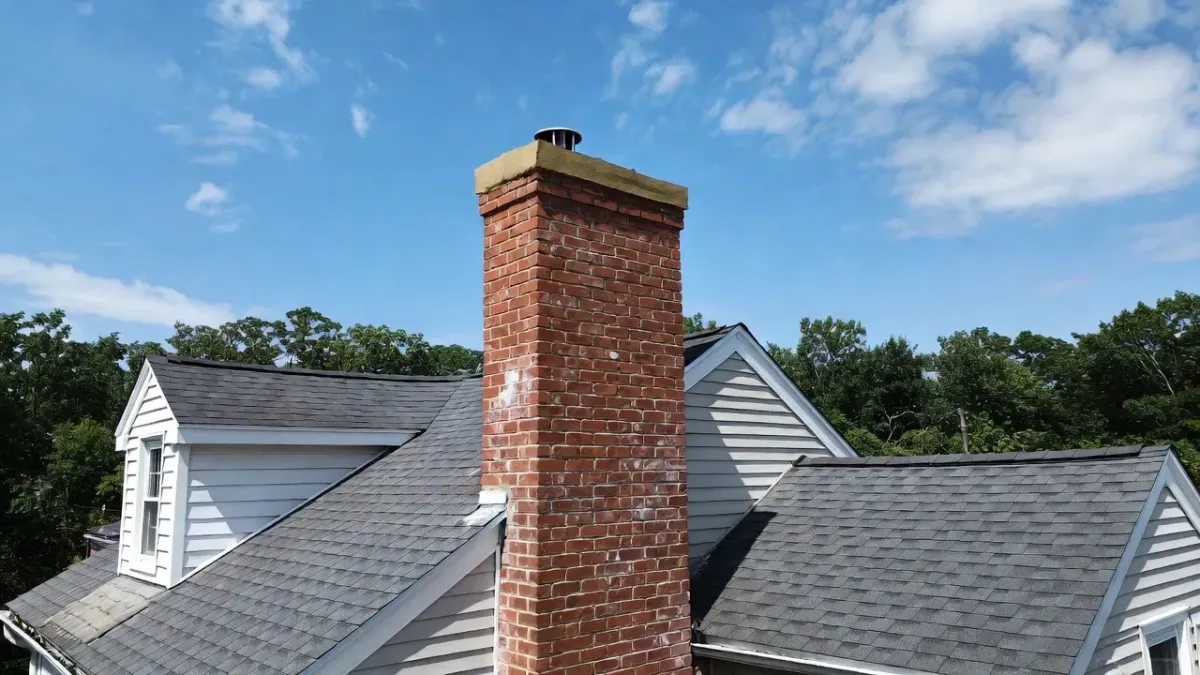
Repair and replace cracked chimney crowns to stop water entry and protect your masonry.
Stop chimney leaks with professional flashing repair using corrosion-resistant coastal-grade materials.
Frequently Asked Questions
Chimney Repair can be complex, and we’re here to provide answers to common questions. Here are some frequently asked questions from our clients.
Frequently Asked Questions about Chimney Repair Newburyport
How much does chimney repair cost in Newburyport MA?
Prices vary by scope, but most repairs range from $650–$4,500. We always provide a free, no-obligation written estimate.
How often should I have my chimney inspected?
We recommend having your chimney inspected at least once a year, ideally in early fall before heating season begins. Newburyport homes face accelerated wear from coastal moisture, salt air, and harsh freeze-thaw cycles that can crack mortar joints faster than properties further inland. Annual inspections catch small problems like hairline cracks or minor spalling before they turn into expensive structural repairs.
What are signs my chimney needs masonry repair?
Look for crumbling or missing mortar between bricks, white staining called efflorescence on the masonry surface, cracked or tilting chimney structure, and water stains on interior walls or ceilings near the chimney. If you notice brick fragments on your roof or in the gutters, that is spalling and it means moisture has already damaged the brick faces. Any of these signs warrant a professional evaluation.
Do I need a permit for chimney work in Newburyport?
Yes, chimney work in Newburyport typically requires a building permit depending on the scope of the project. Full rebuilds and structural modifications need permits through the Newburyport Building Department. Properties in the historic district may also require review by the Newburyport Historical Commission to ensure exterior masonry work maintains the architectural character of the neighborhood.
How much does chimney masonry work cost?
Chimney masonry costs vary based on the type and extent of work needed. Tuckpointing a standard residential chimney in the Newburyport area typically costs less than a partial rebuild, which costs less than a full rebuild from the roofline up. We provide detailed written estimates after an on-site inspection so you know exactly what the work involves and what it will cost before anything starts.
Do you offer warranties on chimney masonry work?
We stand behind our masonry work with a written warranty that covers materials and craftsmanship. The specific warranty length depends on the type of project. We use materials rated for coastal New England conditions, including marine-grade sealants and Type S mortar for exposed chimney sections. Our goal is work that holds up to the salt air and nor'easters that Newburyport properties face year after year.
Still Have Questions About Chimney Repair Newburyport?
Speak With a Trusted Chimney Repair Expert Today.
What Our Satisfied Clients Have to Say About North Shore Chimney Repair
We pride ourselves on delivering great results and experiences for each client. Hear directly from home and business owners who’ve trusted us with their Chimney Repair needs.
The Trusted Chimney Repair Expert Near You
Ready to hear more about expert services at North Shore Chimney Repair?
Contact us today to receive a detailed, no-obligation quote.
22 Graf Rd, Newburyport MA, 01950
Mon–Fri 8AM–5PM | Sat 9AM–2PM | Sun Closed | 24/7 Emergency Service

