Chimney Masonry That Protects Ipswich Heritage Homes
Coastal Exposure and Chimney Masonry in Ipswich
Ipswich carries one of the densest concentrations of antique homes in the country, and the chimneys on these properties reflect centuries of construction methods, materials, and weathering patterns that require specialized knowledge to maintain and repair correctly. Many chimneys predate modern building practices entirely, built with hand-formed brick and lime-based mortar that behaves differently than contemporary Portland cement mixes under stress and moisture exposure. Working on these structures requires understanding how original materials interact with repair materials, because the wrong mortar can damage the very bricks it was meant to protect by creating hardness mismatches that stress the softer historic brick. Beyond the extensive historic stock, Ipswich also has substantial numbers of mid-century and later homes with chimneys that face their own set of coastal pressures from a different starting point. Salt air carried inland from the harbor, the barrier beaches, and the surrounding salt marshes attacks mortar joints on every chimney in town, regardless of the era in which it was built. Properties along the waterfront and near tidal estuaries sit in particularly aggressive environments where the combination of concentrated salt exposure, wind-driven rain from nor'easters, and severe freeze-thaw cycling from November through March compresses the useful life of unprotected masonry well below what inland chimneys experience. Understanding these layered conditions across different construction eras is fundamental to getting chimney masonry work right in Ipswich.
Preserving Chimney Integrity on Ipswich Antique Homes
The range of property types across Ipswich means chimney work here is never one-size-fits-all and cannot rely on templated approaches that assume standardized construction. A seventeenth-century central chimney with a massive footprint and multiple flues serving original fireplaces presents completely different challenges than a twentieth-century exterior chimney on a ranch-style home in a newer subdivision. Both need skilled attention, but the approach, materials, and techniques differ significantly based on the construction era and current condition. Older chimneys often have irregular interior geometries, hand-laid brick courses with varying joint widths, and mortar that has carbonated over centuries into a composition that modern mixes cannot replicate without careful sampling and analysis. Newer chimneys may have standardized construction but suffer from decades of deferred maintenance in a coastal climate that punishes neglect with accelerating deterioration. Homeowners heating with wood, oil, or gas all depend on chimney systems that draft correctly, contain combustion byproducts safely, and remain weathertight through nor'easters and extended cold stretches that define the North Shore winter. When masonry begins to deteriorate on any section of the chimney, it affects not just the exterior structure but the liner, flashing, crown, and cap components that work together as an integrated system to vent the home safely. Addressing problems comprehensively rather than in isolation produces repairs that last longer, perform better, and cost significantly less over the full lifecycle of the chimney.
Historic Mortar Matching and Tuckpointing
Tuckpointing on Ipswich chimneys demands mortar analysis before any grinding begins, because the consequences of using the wrong formulation are more severe here than in most communities. On antique homes, the original mortar was typically a lime-and-sand mix that remains intentionally softer than the surrounding brick, allowing the masonry to flex slightly with temperature changes, moisture cycling, and minor structural settling without cracking. Replacing this with hard Portland cement mortar creates stress points where the rigid modern mortar forces the softer historic brick to absorb all movement, eventually cracking the old bricks rather than protecting them. The process starts with sampling the existing mortar, assessing its composition through visual and sometimes laboratory analysis, and formulating a compatible replacement that matches in both compressive strength and color. Color matching is equally important on visible chimneys, especially on properties where the exterior character of the masonry contributes to the home's architectural significance and the value the homeowner places on authentic appearance. On newer Ipswich homes built with modern brick and Portland-based mortar, the formulation instead prioritizes salt resistance and freeze-thaw performance under the specific conditions the chimney faces based on its compass orientation and proximity to the water. Every tuckpointing project begins with a thorough assessment of the brick condition to confirm that the bricks themselves are structurally sound and that repointing is the right repair strategy rather than a temporary measure before a partial or full rebuild becomes necessary.
Chimney Rebuilds Across Ipswich Properties
Chimney rebuilds in Ipswich range from straightforward partial reconstructions on mid-century homes to complex restorations on antique properties where matching the original construction character is an essential requirement. A partial rebuild takes down the damaged upper section of the chimney, typically from the roofline up where weather exposure is most severe, and reconstructs it with frost-resistant brick, appropriate mortar formulation, and a properly engineered crown with adequate slope and drip edge. On historic homes, the rebuild also involves sourcing or custom-manufacturing brick that matches the existing color, dimensions, and surface texture so the new construction blends seamlessly with original masonry below the roofline. Full rebuilds become necessary when damage extends below the roofline into the chimney structure concealed within the house, often discovered during inspection when interior mortar erosion or liner failure reveals the extent of hidden deterioration. Regardless of project scope, every rebuild incorporates stainless steel flashing at the roof junction to replace corroded galvanized or aluminum material, proper reinforced concrete crown construction with an overhang and drip edge, and a cap system sized to the flue that protects the chimney interior from moisture intrusion and animal entry. The finished chimney is engineered and built to handle the specific coastal conditions it will face on the Ipswich shore, using materials rated for extended salt air exposure and the harsh freeze-thaw cycling that defines North Shore winters.
Inspections and Preventive Chimney Care
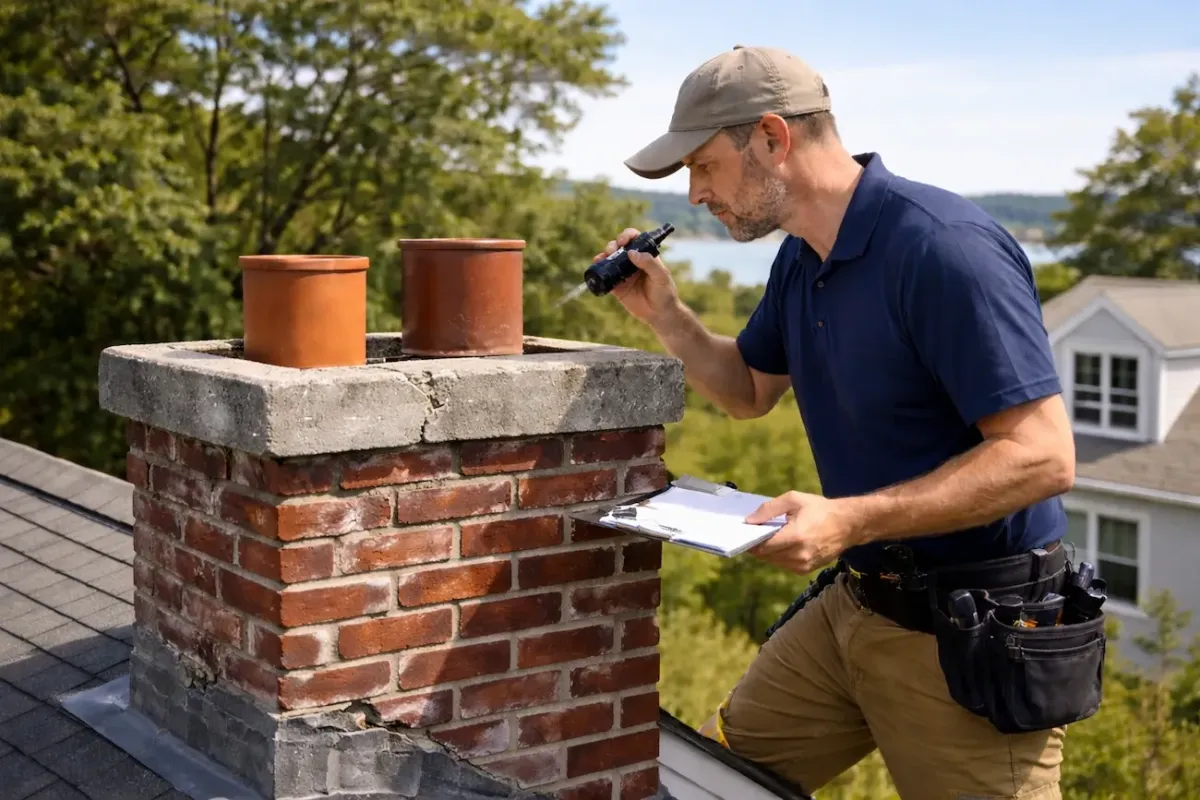
Preventive care through regular inspection and planned maintenance is the most effective way to manage chimney ownership costs in Ipswich over the long term. Annual inspections catch developing problems like hairline mortar cracks, early-stage spalling, minor crown deterioration, and flashing separation well before they escalate into structural issues that require major repair or reconstruction. For homes involved in real estate transactions, Level 2 inspections with video scanning of the flue interior are required under Massachusetts standards and frequently reveal conditions that exterior visual inspection alone cannot detect, including cracked clay tile liners and eroded mortar joints deep inside the flue. Ipswich properties with older chimneys are particularly likely to have concealed issues such as deteriorated smoke chambers, collapsed liner sections, or mortar erosion behind decorative facing that affects safety and system performance without any visible exterior warning signs. Catching these conditions during routine inspection allows for targeted repair on the homeowner's schedule and budget rather than emergency work when a problem becomes critical during heating season. Pairing inspection findings with waterproofing application, crown sealing or replacement, and cap installation creates a comprehensive maintenance strategy that extends the chimney's functional life by years and protects the home from the water damage, draft problems, and safety hazards that neglected chimneys eventually produce.
Expert Chimney Repair Built Tough for Newburyport’s Coastal Weather
Comprehensive Chimney Repair Services in Newburyport
Tailored to Your Needs
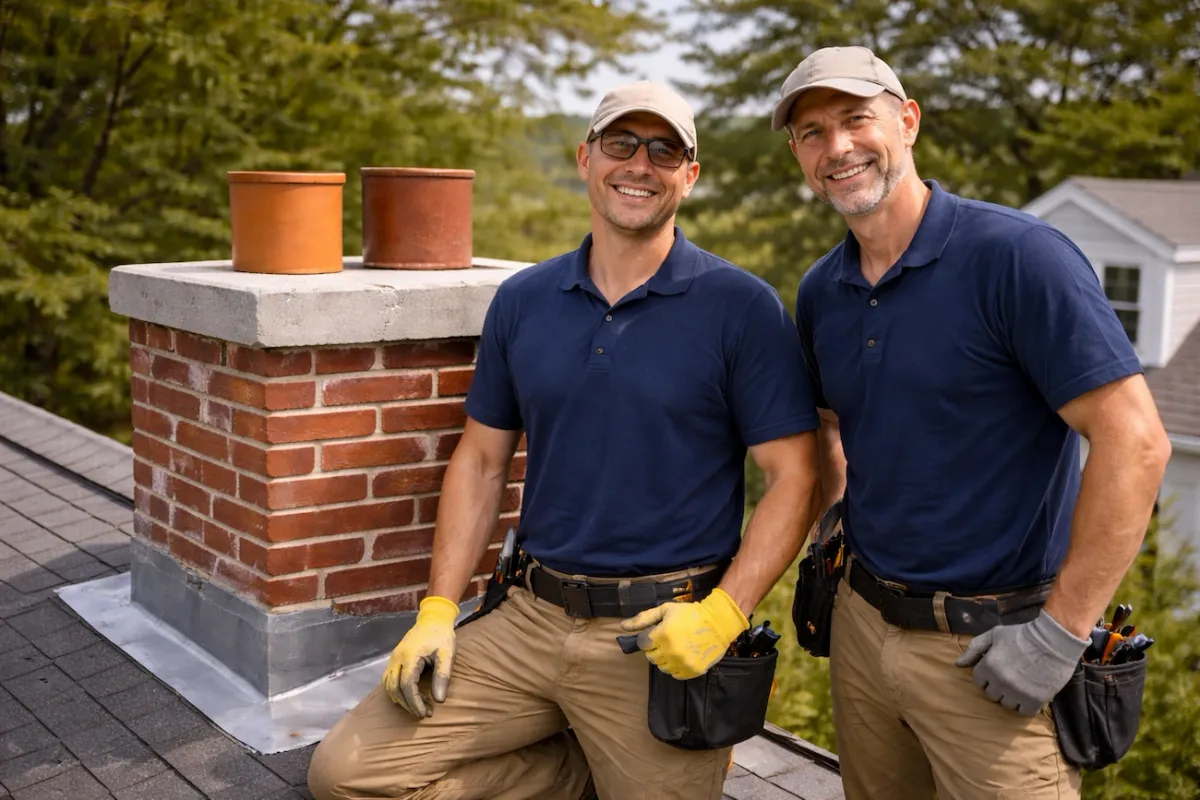
From routine chimney inspections to full masonry rebuilds, our team handles every aspect of chimney care for Newburyport homeowners. Each service is performed using coastal-rated materials and techniques developed through years of working on North Shore properties exposed to salt air, nor'easters, and harsh freeze-thaw conditions.
Expert chimney repair for cracked mortar, spalling brick, and storm damage on Newburyport homes.
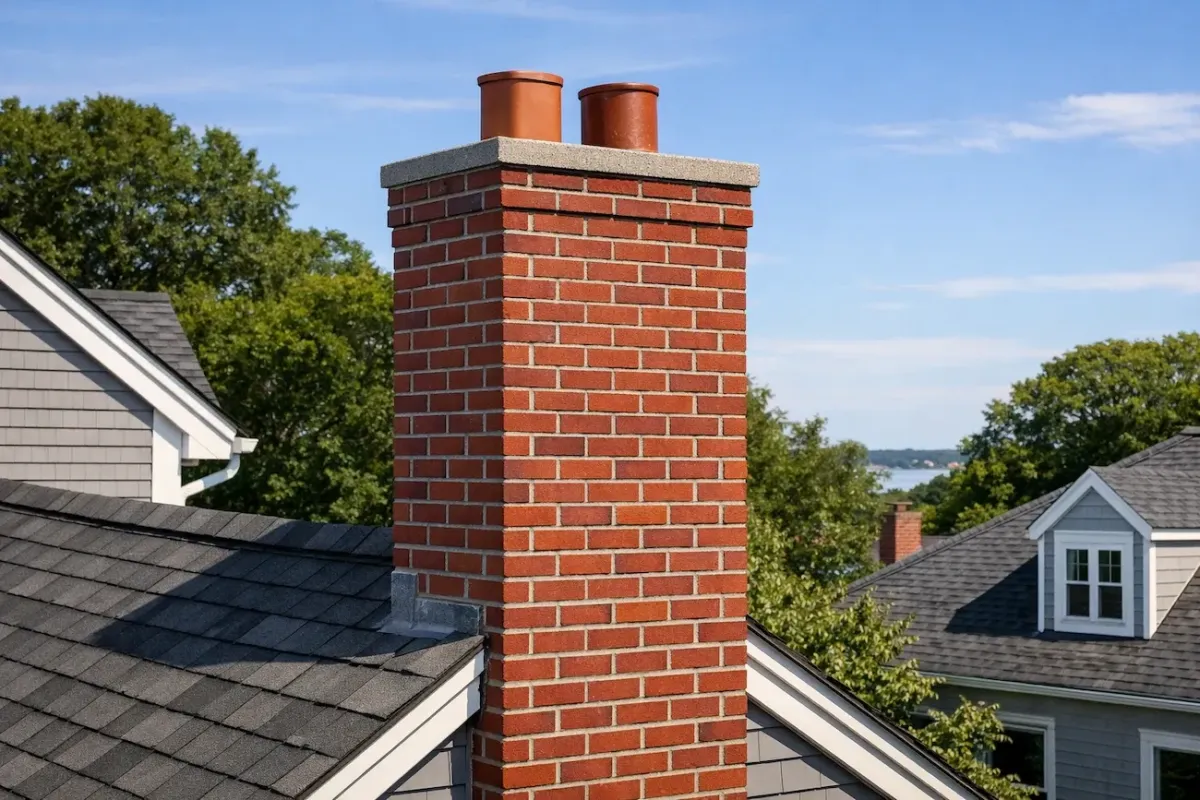
Full and partial chimney rebuilds engineered for Newburyport's coastal conditions.
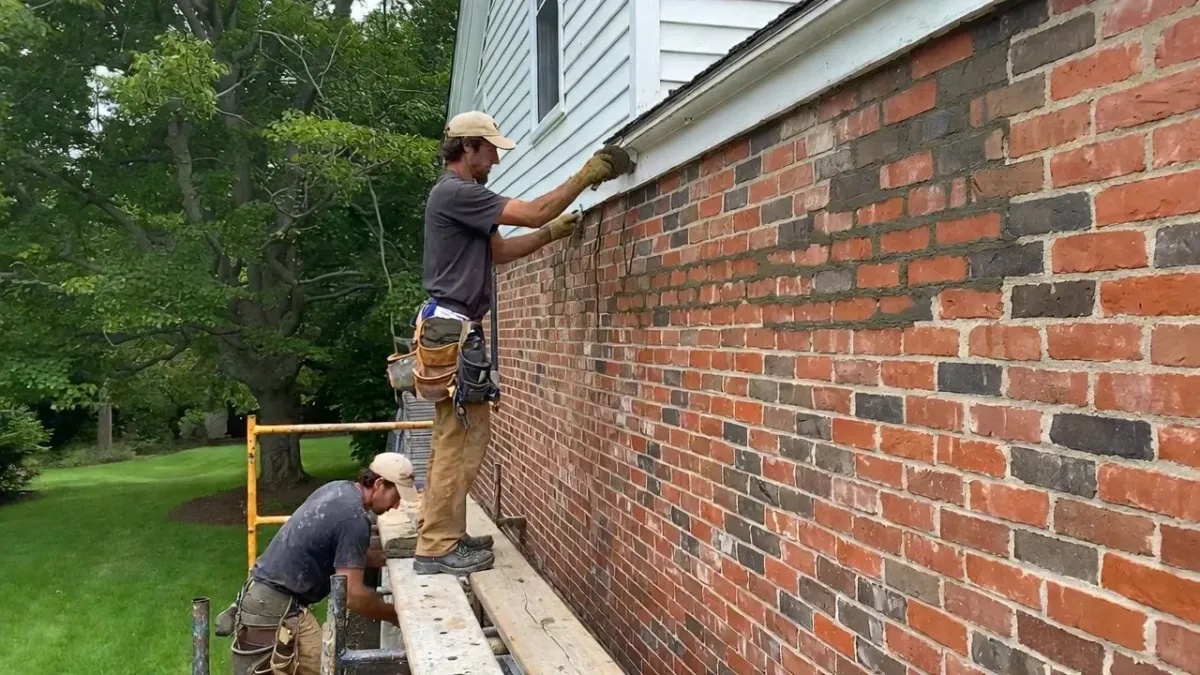
Restore crumbling mortar joints with professional tuckpointing matched to your chimney's original construction.
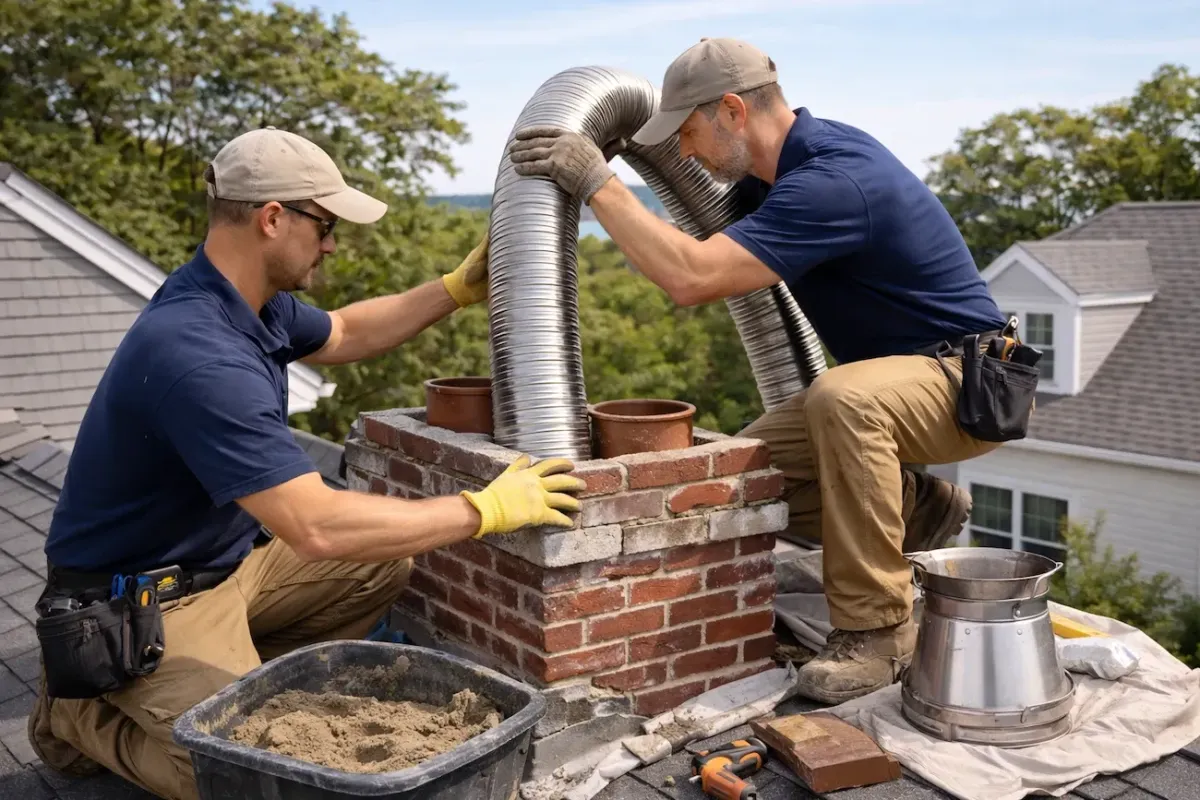
Code-compliant chimney liner installation to protect your home and improve heating efficiency.
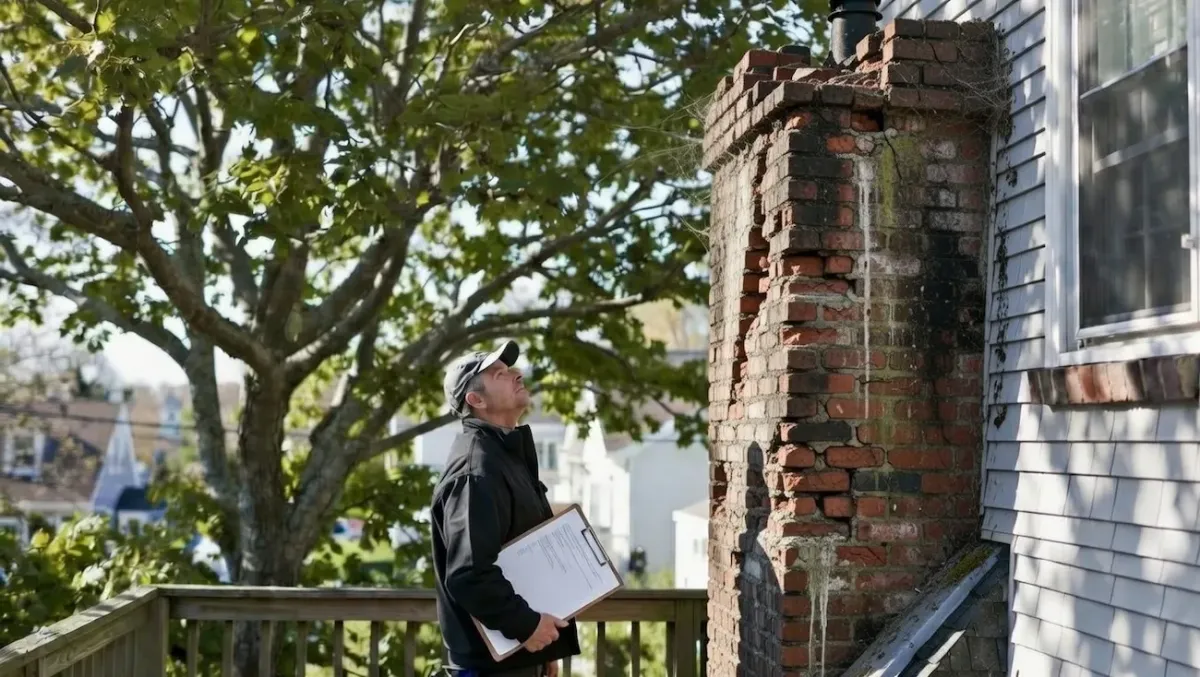
Comprehensive chimney inspections with video scanning for Newburyport homes and real estate transactions.
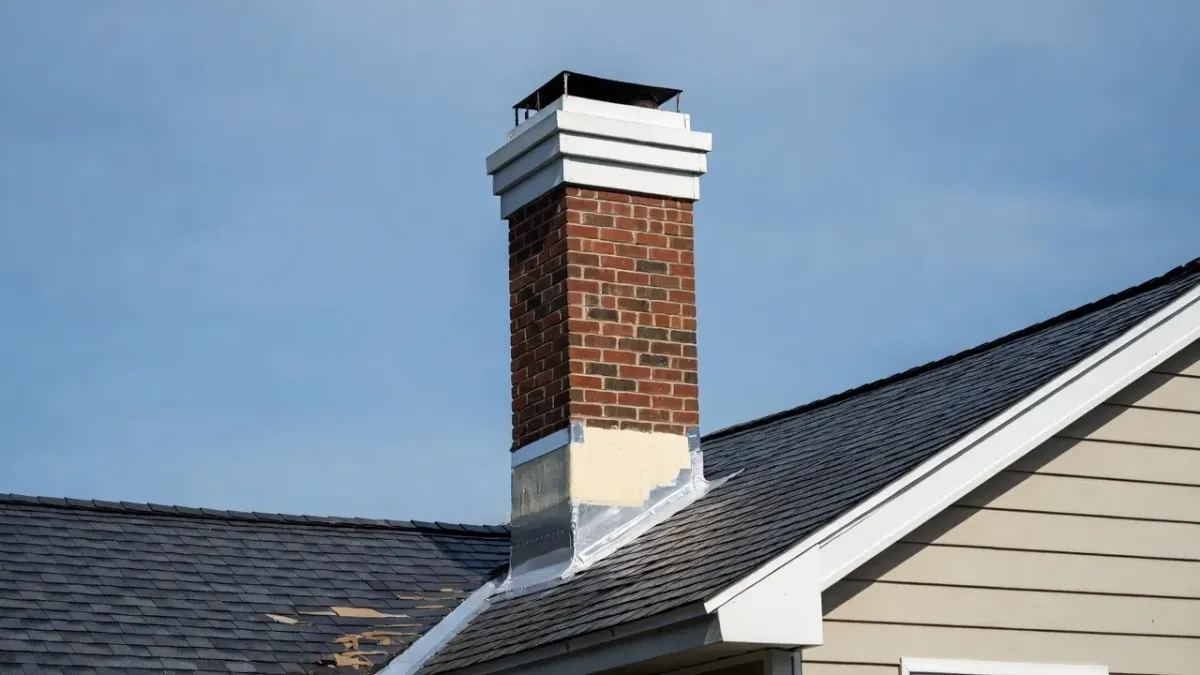
Protect your chimney masonry from coastal moisture with professional vapor-permeable waterproofing.
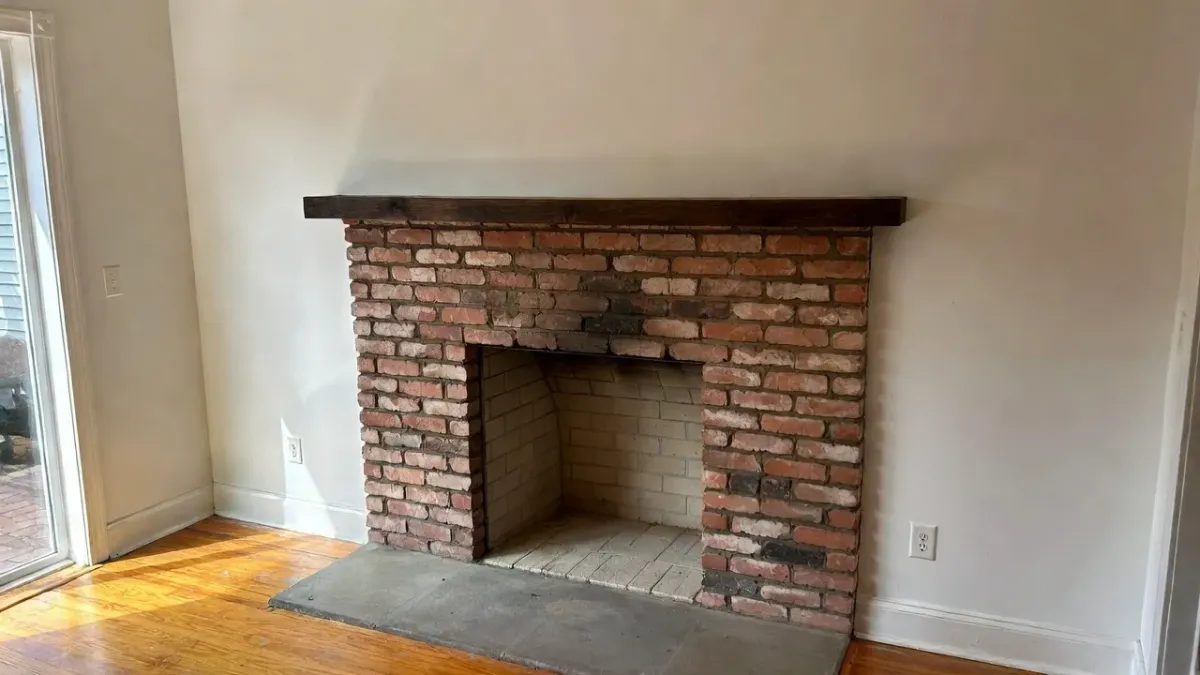
Restore your fireplace to safe operation with expert firebox, damper, and masonry repairs.
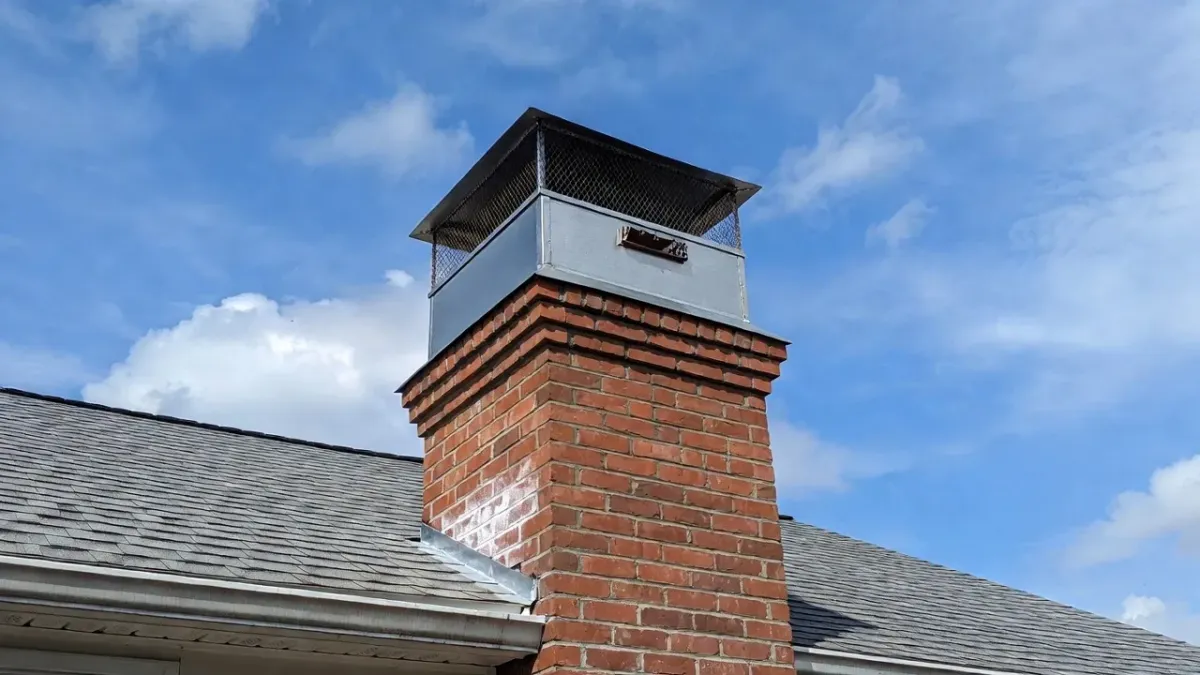
Custom-fitted chimney caps in stainless steel and copper to protect your flue from weather and wildlife.
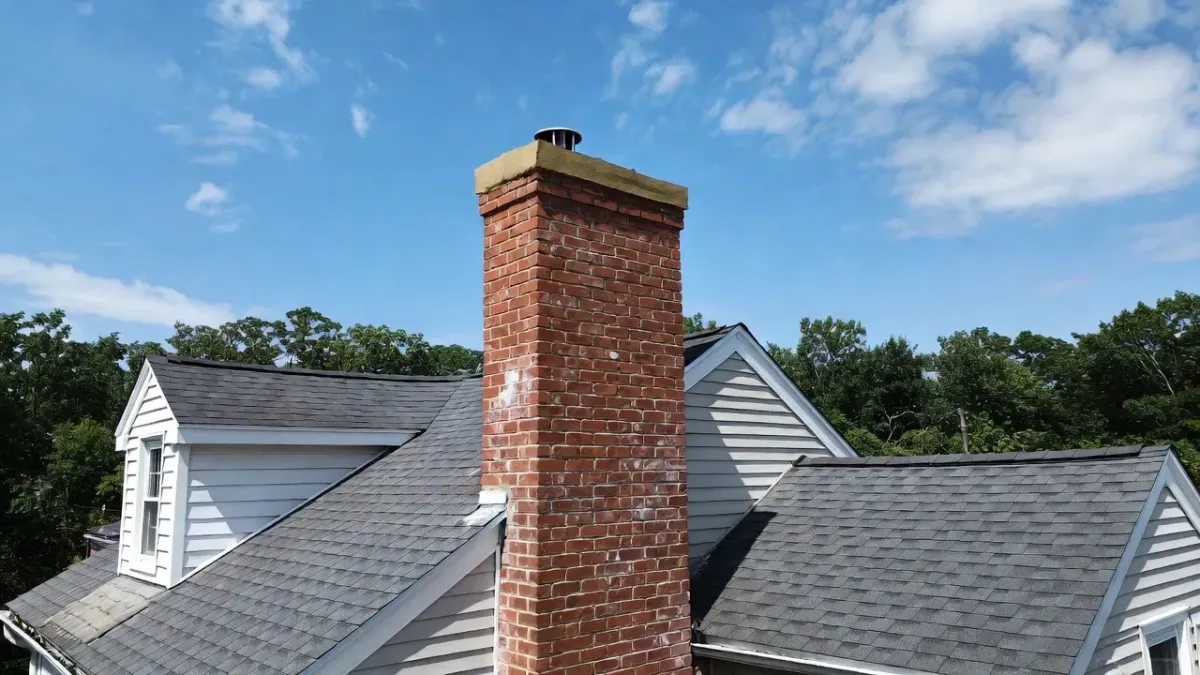
Repair and replace cracked chimney crowns to stop water entry and protect your masonry.
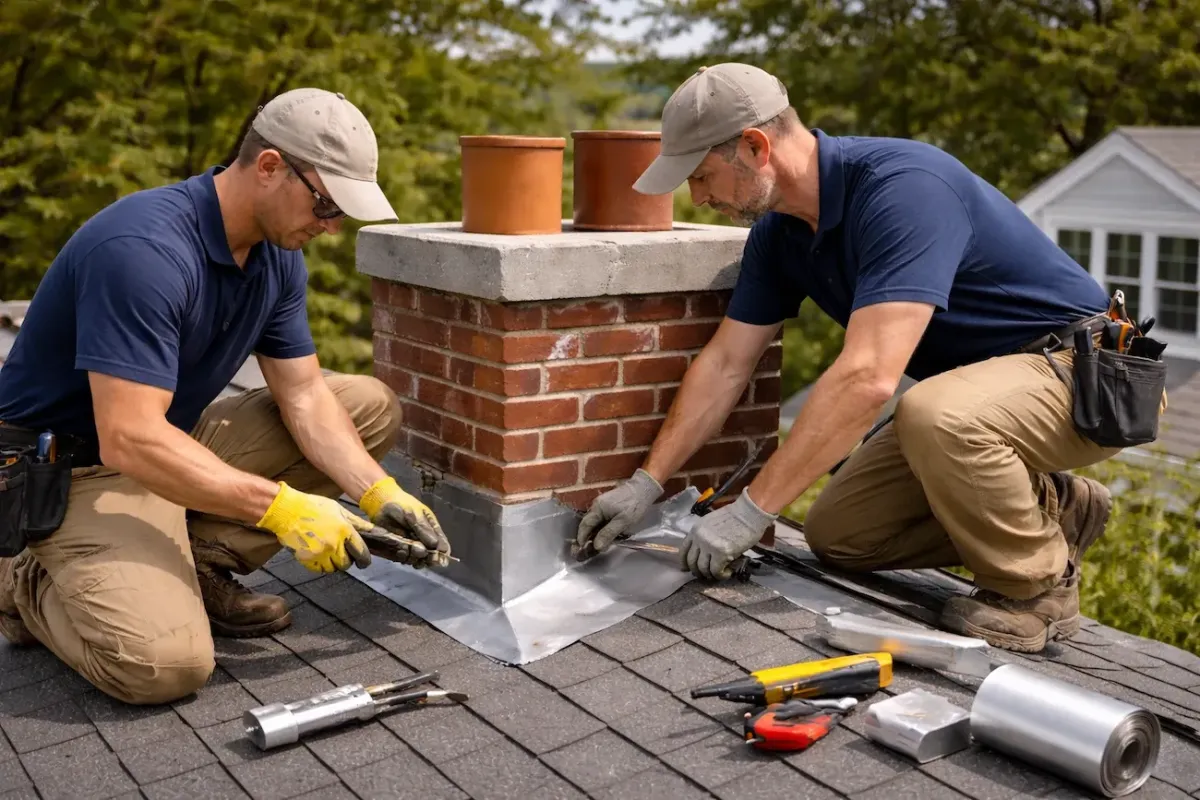
Stop chimney leaks with professional flashing repair using corrosion-resistant coastal-grade materials.
Frequently Asked Questions
Chimney Repair can be complex, and we’re here to provide answers to common questions. Here are some frequently asked questions from our clients.
Frequently Asked Questions about Chimney Repair Newburyport
How much does chimney repair cost in Newburyport MA?
Prices vary by scope, but most repairs range from $650–$4,500. We always provide a free, no-obligation written estimate.
How often should I have my chimney inspected?
We recommend having your chimney inspected at least once a year, ideally in early fall before heating season begins. Newburyport homes face accelerated wear from coastal moisture, salt air, and harsh freeze-thaw cycles that can crack mortar joints faster than properties further inland. Annual inspections catch small problems like hairline cracks or minor spalling before they turn into expensive structural repairs.
What are signs my chimney needs masonry repair?
Look for crumbling or missing mortar between bricks, white staining called efflorescence on the masonry surface, cracked or tilting chimney structure, and water stains on interior walls or ceilings near the chimney. If you notice brick fragments on your roof or in the gutters, that is spalling and it means moisture has already damaged the brick faces. Any of these signs warrant a professional evaluation.
Do I need a permit for chimney work in Newburyport?
Yes, chimney work in Newburyport typically requires a building permit depending on the scope of the project. Full rebuilds and structural modifications need permits through the Newburyport Building Department. Properties in the historic district may also require review by the Newburyport Historical Commission to ensure exterior masonry work maintains the architectural character of the neighborhood.
How much does chimney masonry work cost?
Chimney masonry costs vary based on the type and extent of work needed. Tuckpointing a standard residential chimney in the Newburyport area typically costs less than a partial rebuild, which costs less than a full rebuild from the roofline up. We provide detailed written estimates after an on-site inspection so you know exactly what the work involves and what it will cost before anything starts.
Do you offer warranties on chimney masonry work?
We stand behind our masonry work with a written warranty that covers materials and craftsmanship. The specific warranty length depends on the type of project. We use materials rated for coastal New England conditions, including marine-grade sealants and Type S mortar for exposed chimney sections. Our goal is work that holds up to the salt air and nor'easters that Newburyport properties face year after year.
Still Have Questions About Chimney Repair Newburyport?
Speak With a Trusted Chimney Repair Expert Today.
What Our Satisfied Clients Have to Say About North Shore Chimney Repair
We pride ourselves on delivering great results and experiences for each client. Hear directly from home and business owners who’ve trusted us with their Chimney Repair needs.
The Trusted Chimney Repair Expert Near You
Ready to hear more about expert services at North Shore Chimney Repair?
Contact us today to receive a detailed, no-obligation quote.
22 Graf Rd, Newburyport MA, 01950
Mon–Fri 8AM–5PM | Sat 9AM–2PM | Sun Closed | 24/7 Emergency Service

